
Exploring the psychology behind risk-taking in casinos
The Allure of Risk in Gambling
Risk-taking is an intrinsic part of the gambling experience, particularly in the vibrant atmosphere of casinos. Players are often drawn to the thrill of uncertainty, where the possibility of winning can ignite feelings of excitement and hope. To learn more about our dedicated services, click here to explore how psychology affects gambling decisions. This psychological allure can overpower logical decision-making, leading individuals to engage in high-stakes games that they might otherwise avoid if driven solely by reason.
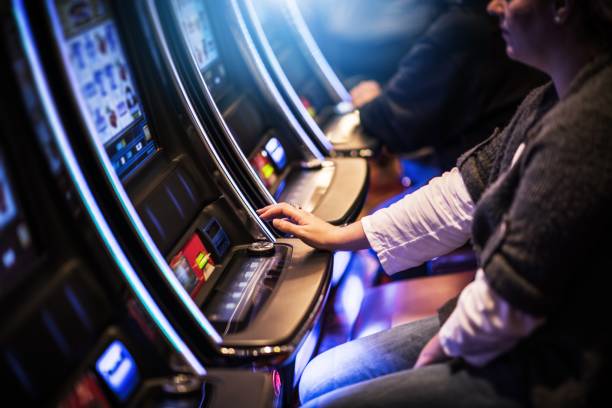
The anticipation of a potential win can trigger the brain’s reward system, releasing dopamine and creating a sense of euphoria. This rush can be addictive, making players return for more, even when the odds are stacked against them. Understanding this psychological aspect helps to explain why casino environments are specifically designed to enhance these feelings, with bright lights and engaging sounds that stimulate an emotional response.
The Role of Cognitive Biases
Cognitive biases significantly influence how individuals perceive risk in casinos. Common biases, such as the “hot hand fallacy” or “gambler’s fallacy,” lead players to believe they can predict outcomes based on previous wins or losses. For example, a player who has won several rounds may incorrectly assume that their luck will continue, prompting them to take greater risks.
These biases can lead to overconfidence, making it difficult for players to evaluate their chances realistically. As they become entangled in their belief systems, the likelihood of engaging in riskier behavior increases, revealing how psychological factors can distort rational thought in gambling environments.
The Impact of Social Influence
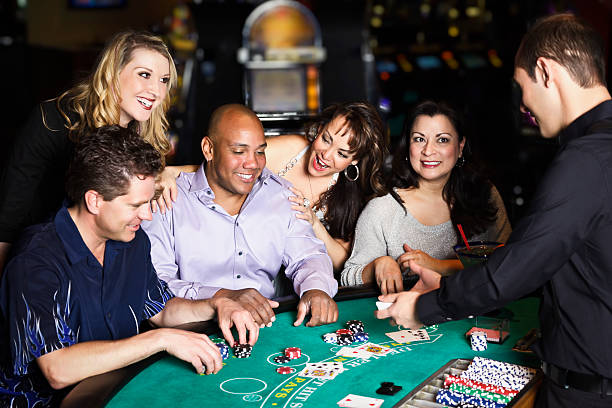
Social dynamics play a critical role in shaping an individual’s approach to risk in casinos. Observing others who are taking risks, whether winning or losing, can create a contagious atmosphere that influences decision-making. Group behavior often encourages individuals to partake in higher stakes, as the collective energy can amplify personal motivations.
Moreover, social interactions at gaming tables can affect one’s approach to gambling. Players may feel pressured to conform to group decisions or to match the stakes of other participants. This social aspect can heighten the thrill of the experience, reinforcing the psychological drive to take risks based on peer behavior.
The Emotional Rollercoaster of Gambling
The emotional experience of gambling is often a wild ride, filled with highs and lows. This uncertainty can lead to intense feelings of pleasure during wins, which are often followed by disappointment during losses. Such emotional fluctuations are a significant factor in maintaining the cycle of risk-taking behavior.
For many players, the desire to recover losses can lead to even greater risks, as they seek to recapture lost funds. This emotional rollercoaster can create a compulsion to gamble that overshadows financial constraints, highlighting the complex interplay between emotions and risk-taking in a casino setting.
Enhancing Online Gambling Security and Experience
As the gambling landscape expands online, understanding the psychology behind risk-taking remains crucial. Players need to be aware of their behaviors and emotional responses in this digital environment. Our platform is committed to providing robust security measures to ensure a safe online gambling experience.
By safeguarding users from malicious attacks while maintaining smooth navigation, we enhance the user experience and promote responsible gambling practices. Our support team is always available to assist, ensuring that players can focus on enjoying their time while minimizing risks associated with online gambling.
Son yorumlar